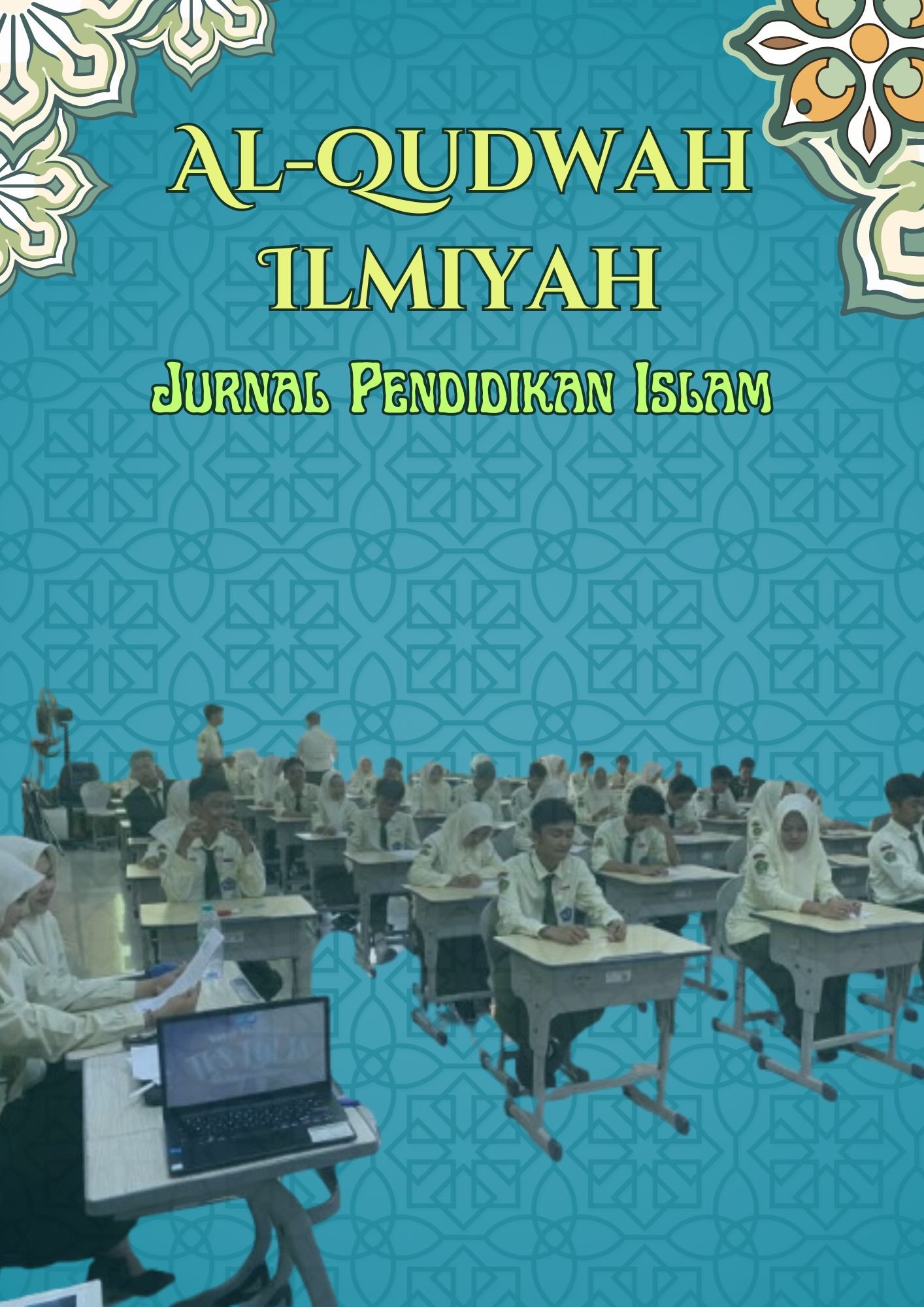
Inovasi Sekolah-Sekolah Islam Unggul (Studi Strategi untuk Meningkatkan Kualitas Sekolah-Sekolah Islam di Sumatera Utara)
Keywords:
Innovation, Education, Islamic Leading Schools, Quality Improvement StrategyAbstract
Educational innovation has the meaning of creating various new variations, or what can also be called renewal, in the implementation of specific learning activities. Innovation also provides a reflection of the modernization of an education system, which refers to the school system or a broader system, namely the national education system. The aim of this research is to critically describe the strategies developed by superior Islamic schools in North Sumatra to improve the quality of education in today's highly competitive times. The presence of leading Islamic schools in various regions of North Sumatra is a symptom that provides new hope in efforts to address the gap in educational quality among Islamic schools in North Sumatra. The research was conducted at three Islamic-based schools, namely, CT Foundation Superior High School, Darul Hasan Padangsidimpuan IT High School, and Shafiyyatul Amaliyyah Medan Private High School. The research was carried out using a field research mechanism, with a description of the findings carried out using aspects and components of qualitative research. The results of the research show that the three schools in this study, Darul Hasan Padangsidimpuan Integrated Islamic High School, CT Foundation Deli Serdang Superior High School, and Medan Plus Shafiyyatul Amaliyyah Private High School, have played a role in improving the quality of superior Islamic educational institutions in the North Sumatra region. One of the indicators is the use of various information technology-based applications and media in learning. Likewise with the use of foreign languages.
References
Al-Abrasyi, M. A. (2003). At-Tarbiyah al-Islamiyah (Terj. Abdullah Zaky Alkaaf). Bandung: CV Pustaka Setia.
Al-Bukhari, M. bin Ismail bin Ibrahim bin al-Mughiroh. (t.t.). Al-Jami’ al-Shahih al-Musnad min Hadits Rasulullah SAW.
Alfiatu Solikah. (2016). Strategi peningkatan mutu pembelajaran pada sekolah unggulan: Studi multi situs di MI Darul Muta’alimin Patianrowo Nganjuk, MI Muhammadiyah 1 Pare dan SD Katolik Frateran 1 Kota Kediri. Yogyakarta: Deepublish.
Al-Hafizh Ibnu Hajar Al-Asqalani. (2010). Fath al-Bari ‘ala Syarh Shahih al-Bukhari. Jakarta: Pustaka Azzam.
Al-Maraghy. (1871). Tafsir al-Maraghy (Juz V & Juz XI). Beirut: Dar al-Fikr.
Al-Nahlawi, A. (1979). Ushul al-Tarbiyah al-Islamiyah wa Asalibuha. Beirut: Dar al-Fikr al-Mu‘ashir.
Asari, H. (1994). Menyingkap Zaman Keemasan Islam. Bandung: Mizan.
Azra, A. (1999). Pendidikan Islam: Tradisi dan Modernisasi Menuju Milenium Baru. Jakarta: Logos.
Azra, A. (2007). Jejak-Jejak Jaringan Kaum Muslim dari Australia hingga Timur Tengah. Jakarta: Mizan Publika.
Bungin, B. (2003). Analisis Data Penelitian Kualitatif. Jakarta: Raja Grafindo Persada.
Danim, S. (2006). Visi Baru Manajemen Sekolah: Dari Unit Birokrasi ke Lembaga Akademik. Jakarta: Bumi Aksara.
Departemen Pendidikan Nasional. (1994). Pengembangan Sekolah Unggul. Jakarta: Depdiknas.
Djamas, N. (2009). Dinamika Pendidikan Islam di Indonesia Pasca Kemerdekaan. Jakarta: Raja Grafindo Persada.
Hefner, R. W. (2009). Pendahuluan: Politik budaya pendidikan Islam di Asia Tenggara. Dalam R. W. Hefner (Ed.), Membentuk Muslim Modern: Politik Pendidikan di Asia Tenggara. Honolulu: University of Hawaii Press.
Lubis, H. (2008). Pertumbuhan SMA Islam Unggulan di Indonesia: Studi tentang Strategi Peningkatan Kualitas Pendidikan.
Ma’luf, L. (1960). Al-Munjid fi al-Lughah. Beirut: Dar al-Masyriq.
Ma’zumi, Syihabudin, & N. (2019). Pendidikan dalam perspektif Al-Qur’an dan Sunnah: Kajian atas istilah tarbiyah, ta‘lim, tadris, ta’dib, dan tazkiyah. Tarbawy: Jurnal Pendidikan Islam Indonesia, 6.
Nasution, M. N. (2001). Manajemen Mutu Terpadu (Total Quality Management). Jakarta: Ghalia Indonesia.
Nata, A. (2010). Ilmu Pendidikan Islam. Jakarta: Prenada Media Group.